




Ambient Jam
We have continued our visits to Ambient Jam to explore the question “how can people labelled with profound and multiple learning disabilities (PMLD) contribute to policies and decisions that affect their lives”?
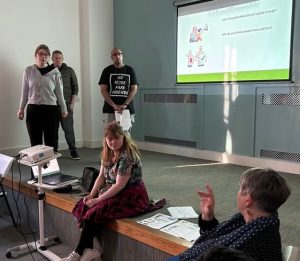
Last week, we invited Professor Nicola Groves from the University of East London. She noticed many moments of what she called “reciprocity, empowerment and connection”. She said that the dancers and artists at Ambient Jam were very sensitive to each other’s needs, which was very powerful to see!
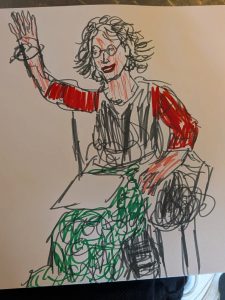
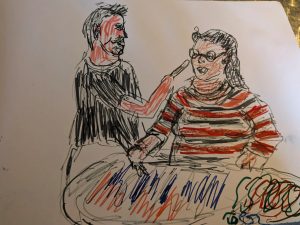
The Lewisham Speaking Up reps have also been going to Ambient Jam sessions over the last two years. Ife came to a session and drew some pictures of moments throughout the session. She reflected on how art can be used to advocate for yourself:
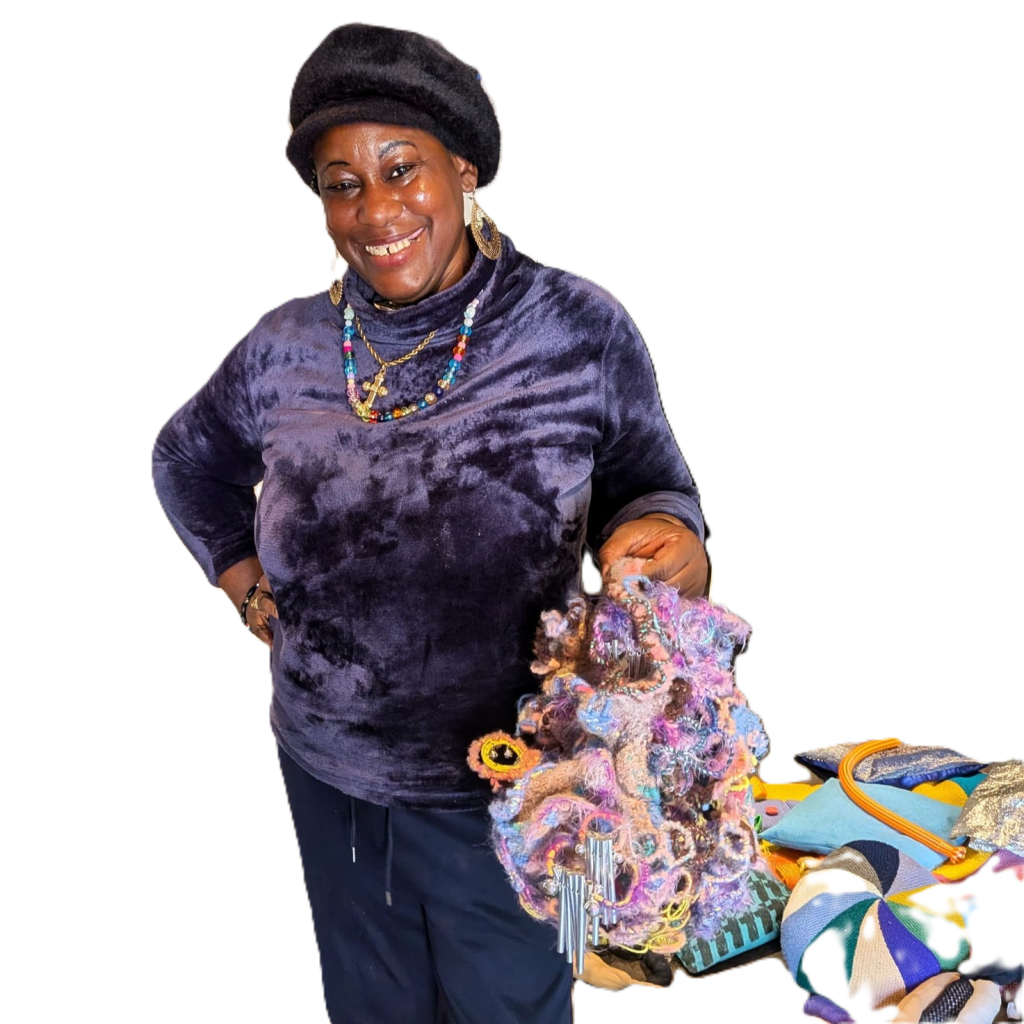
Ife
“Art to me, is beauty and love, gives me happiness and I feel so inspired being an artist. It makes me feel creative”
We will reflect on all of our visits to Ambient Jam, and how art, music and movement can help us communicate and advocate. This will be the theme of our September People’s Parliament, where the Ambient Jam Collective will join us.
Please come along on Friday 18th September for this exciting People’s Parliament!

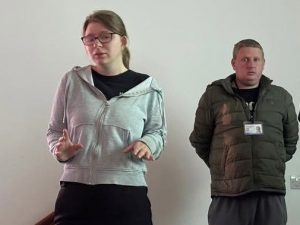


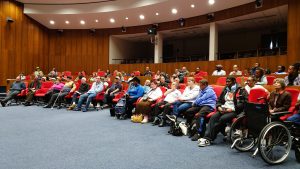
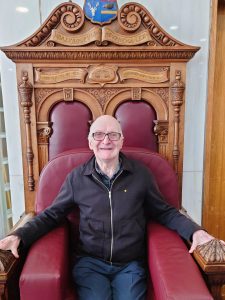
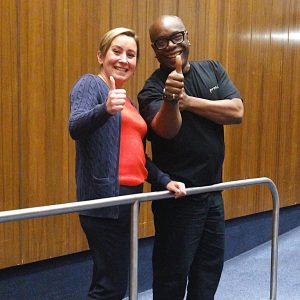

Our next People’s Parliament will be on Friday 18 September
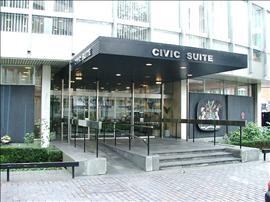
from 10.30 – 3.00 at the Catford Civic Suite.
(join us for a special Parliament working together with Entelechy Arts)

Theme: Creativity and Communication.
Email Ellie at ellie.spirrett@lsup.org.uk or phone 020 8692 1862
It’s been another busy 3 months for the Finance Advocacy Service.
We have good news! We have managed to apply and get a participant their Universal Credit limited capacity to work. This means they will be better off by £460 per month.
This money will help a lot with bills and budgeting for food, which is very important for eating healthily.
CAP- Christians Against Poverty
The Finance Advocacy Service has been working with a very good local debt advice and advocacy service called CAP (Christian’s Against Poverty). CAP will meet with you (and your advocate Michelle!) first. Then CAP will help to sort out what your debts are, who you need to pay back, and the amount you will need to pay back. CAP will contact the people you owe money to, and speak to them. So, you no longer have to deal with them.
The Disabled Persons Railcard
Holiday and day trip season is approaching! So, did you know…that if you claim PIP (Personal Independence Payment) or DLA (Disability Living Allowance) you can apply for a Disabled Persons Railcard? This Railcard is great to use for holidays, daytrips and weekend breaks!
The Disabled Persons Railcard gets you and an adult companion 1/3 off most National Rail tickets in Great Britain. It costs £20 for a 1-year card or £54 for 3 years.
You can apply and download a digital version for immediate use on the Disabled Persons Railcard website or you can apply for a plastic wallet card to be delivered to your house within 3-5 working days.
Phone Michelle on 020 8692 1862 if you need help with debt issues or would like to apply for a Disabled Railcard.


Hi guys
Last year I shared with you my concerns about the importance of having good support workers or carers. Many of you said you were not always happy with the help you received. I’ll share with you two different experiences of support being received by participants.
One participant required support in reading her correspondence, preparing meals, support with shopping, laundry and cleaning. These duties were stated clearly in her Package of Care. However, they were not being followed which left her feeling very depressed and anxious. I suggested to her that when the carer arrives, she tells them precisely what she would like done. She explained that she does that, but she is told they do not have enough time.
I investigated this and was told that sometimes when the carer arrives, she would cancel them if it was not the same routine carer. Also, the participant confirmed that she does not always like to ask for their help because they are already busy and she does not wish to upset them.
On a different note, we all know the saying ‘first impressions count’. This will normally help us decide if we’d be able to form a good, trusting bond with a person. Let me tell you about an experience one of my participants had when she was introduced to her new support worker.
In the meeting the participant emphasised to her support worker ‘we are going out next week to a special event, which is very important to me so please arrive 10 minutes early.’ However, when I contacted the participant for an update, she pleaded for an immediate replacement. I asked why and she explained without taking a breath:
‘when she arrived at my house she was late, she wanted to use the ladies immediately, she wanted to charge her phone, and when we got to the event, she talked non-stop, when I told her to be quiet, she started to take photos and videos of the procession which was wrong and lastly, she kept clock watching.
I enquired gently, ‘you would not consider giving her a second chance then?’ After a few minutes of receiving the strong silent treatment, I told her not to worry we’ll look for someone else. We are currently in the process of looking for a suitable support worker. Join me next time to find out if she’ll be happy with her new support worker!
This second example was someone being very clear about what they expected from their support worker, but still the experience did not feel very person-centred. Obviously, support workers have their own needs and it can be a tough job, but I feel that the wishes of the person receiving support should always come first.